
Why I can't stop thinking about the mission to the moon
Can medicine hire the Artemis II public relations team?

I’ve found myself uncharacteristically into space this past week.
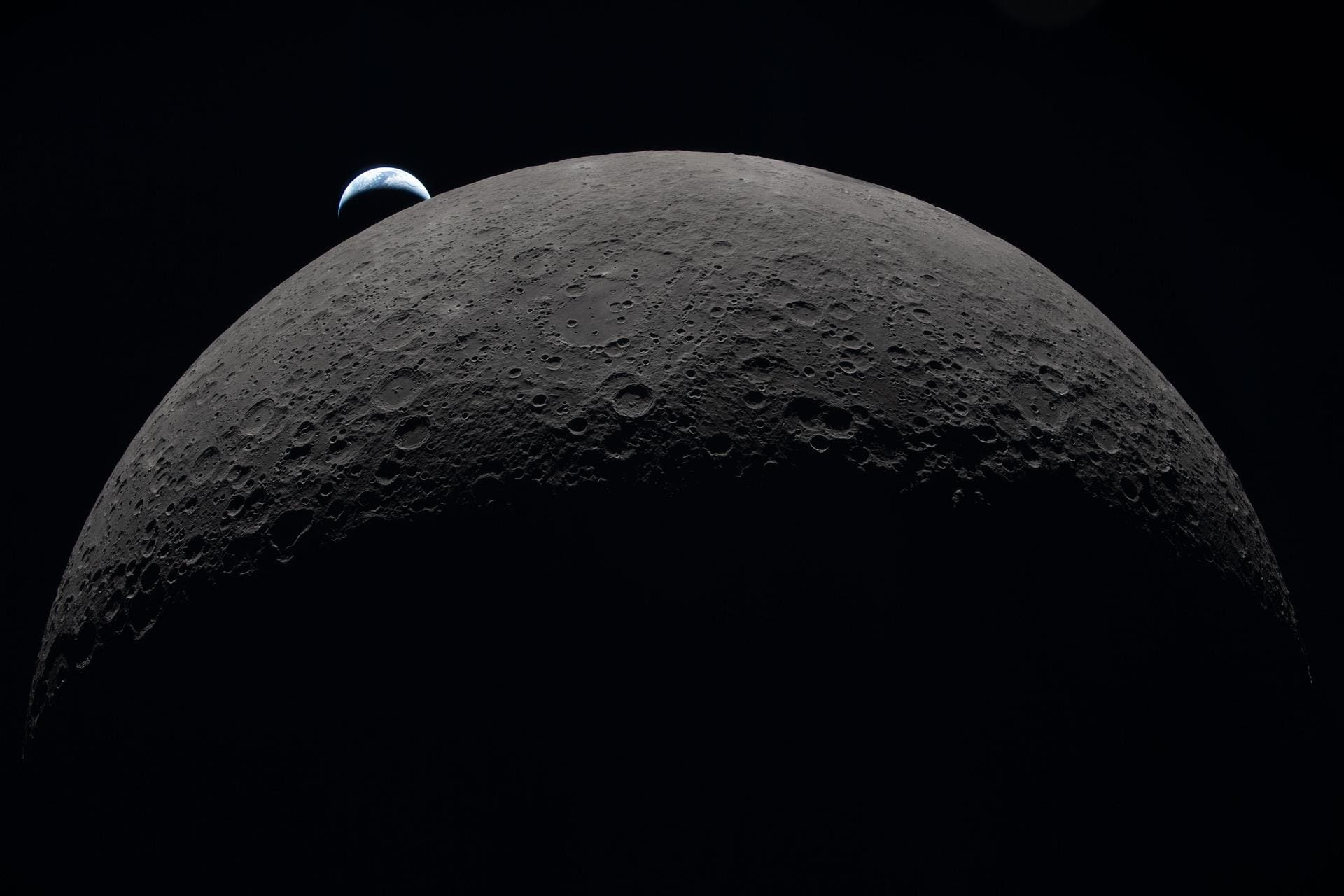
I admit I had no idea the Artemis II NASA mission was even a thing until a day or two until the launch. My kid has his requisite pair of space pajamas, but we aren’t a hardcore space family, if you get what I mean. Most of what I know about NASA I learned from the Apollo 13 movie with Tom Hanks and the smattering of kids’ space books we have around the house.
Until now.
I’ve surprised myself by how much I’ve enjoyed following the news about the mission to the dark side of the moon.
When I got home late from clinic on my long day earlier this week, I sat in the car, listening to the end of an NPR segment about toilets in space. I check in on the astronauts on social media. I was disappointed to learn that they didn’t get to hear the chorus of the Pink Pony Club during their wakeup call earlier this week.
My son and I talk about what it might be like to see Planet Earth (“That’s where we live!” he likes to say) from space. I loved learning that the team named a crater on the moon after the late wife of the mission’s commander.
What is it about the moon mission that’s so powerful?
It’s a story that is hopeful and optimistic when most of the news feels impossibly bleak. It’s a story about being in awe of nature when back on Earth, we humans are doing unspeakable things to one another.
And as I’ve been thinking about building trust with my patients — and building trust in science, writ large — I’ve been reflecting on what it is exactly about the Artemis II mission that’s captured our collective imagination.

On a recent afternoon in clinic, I told one of my long-time patients I thought she needed a higher dose of a cholesterol medication. Her LDL cholesterol wasn’t meeting the goal recommended by the American College of Cardiology. A higher dose of the medication she’d been taking for about a year would do the trick, I told her.
I thought it was a no-brainer. The medications are safe, usually well-tolerated, and can help reduce the risk of a heart attack. She’d been taking it for a year already!
But she wasn’t interested.
“I want to try something natural,” she said.
She pulled up the Amazon app on her phone.
“These vitamins are all-natural. See?” She zoomed in on the label on a multivitamin. It did, indeed, say all natural.
This kind of interaction isn’t uncommon or even all that problematic. It’s my patient’s prerogative to do whatever she wants with her body, whether it’s take a statin or take a vitamin. Vitamins seem like an appealing way of exerting bodily control when so much in our world feels uncontrollable.
Whether or not it’ll work is another question. My whole career, I’ve had patients who don’t take my advice. As I’ve matured as a clinician, I’ve made my peace with it. Mostly.
But somewhere along the way, it’s felt like medicine has lost the plot. Or rather, the vast wellness-industrial-complex has gotten increasingly huge, profit-driven, and seductive to my patients.
And medicine can’t keep up.

Maybe that’s why I found myself shedding actual tears as I stood in my kitchen this morning, making toast and listening to a science reporter on NPR talk about the planned ocean landing for Artemis II tonight.
(May I recommend getting an old-school radio for your kitchen? It’s a game-changer for getting the news in reasonably paced, factual chunks without succumbing to my phone’s dopamine spirals. Also I play the classical music station and feel v. fancy.)
Everything feels so uncertain. Institutions feel unstable and untrustworthy. Shared reality feels fragile.
Yet everyone is really into the moon mission.
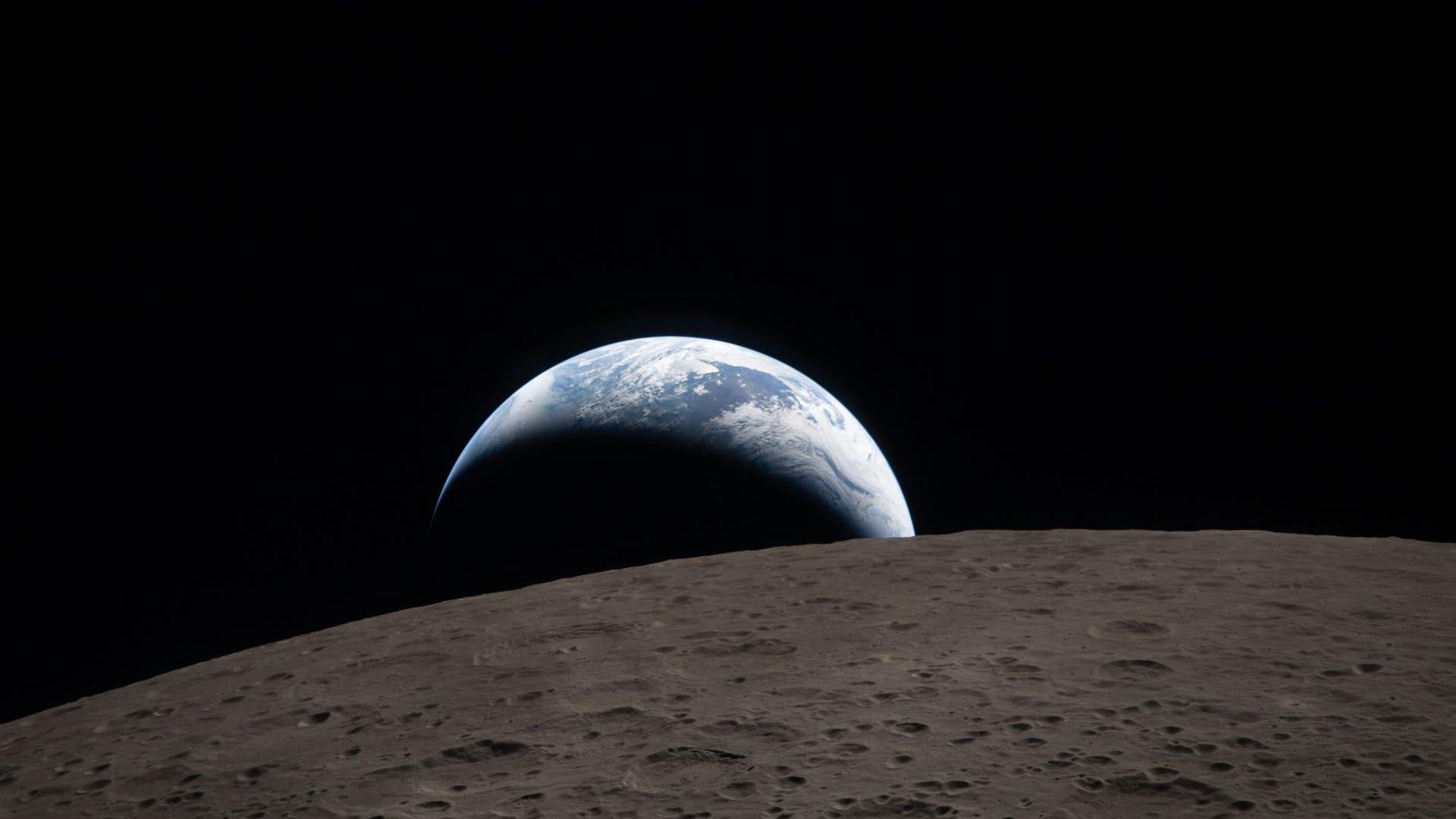
Here are a few ideas I’ve been batting around about what makes this story so special — and what maybe my own field of medicine can learn from the Artemis II mission.
It’s a shared cultural experience. Our media experiences are so fractured, our algorithms so personalized, that it’s hard to find a common thing to talk about other than the weather. (Or sports, but I know nothing about sports.) Even my close friends and I don’t watch the same shows or read the same books! It feels exciting to have a shared cultural touchpoint. I don’t know how we can reclaim that in medicine — sometimes it feels like I say the word “vaccine” and people start thinking of me as the enemy — but it’s powerful.
It’s a story about science, but it’s also a story about humans. The Artemis II has some pretty obscure scientific goals (it’s part of a long-term project to help get humans into deeper space and maybe living not on Earth???) but what has captured the public imagination is the astronauts. It’s their stories and their emotions that has us all hooked. I think about that when I talk to my patients about their health, centering human experience rather than quoting statistics.
The narrative centers humility and curiosity. Nothing is more humbling than space. (Anyone else lose it when they listened to astronaut Victor Glover’s Instagram message on Easter?) In the Artemis II narrative, that humility a source of shared humanity, not a weakness. It feels tough, as a doctor, to say, “I don’t know.” It goes against my training — always circle the correct answer on the multiple choice test! — and the kind of confidence I always thought my patients wanted. But many people I care for are more capable of sitting with uncertainty than I have been led to believe.
Yet the team is also competent. The astronauts are all open about how little we know about space. But they’re also dang competent. The writer Liz Plank called it “competency porn” and I think she’s onto something. It’s just so moving to see trained scientists doing their thing. It’s powerful to watch a government agency functioning to advance science and human knowledge. It’s made me start to think about how humility is actually a sign of competence. When, as a doctor, I tell my patients what I don’t know, it can help earn their trust because it shows that I also do know a lot of things.

I’m wishing the Artemis II crew a safe landing tonight. I can’t wait to see many more images of our beautiful planet from space. And I’ll be thinking about what I can do, in my own little clinic, to help restore our trust in science.
Have you been following the NASA mission? Why do you think it’s been such a powerful story? What does it say about our collective relationship to the scientific method, to government institutions, to the unknown?
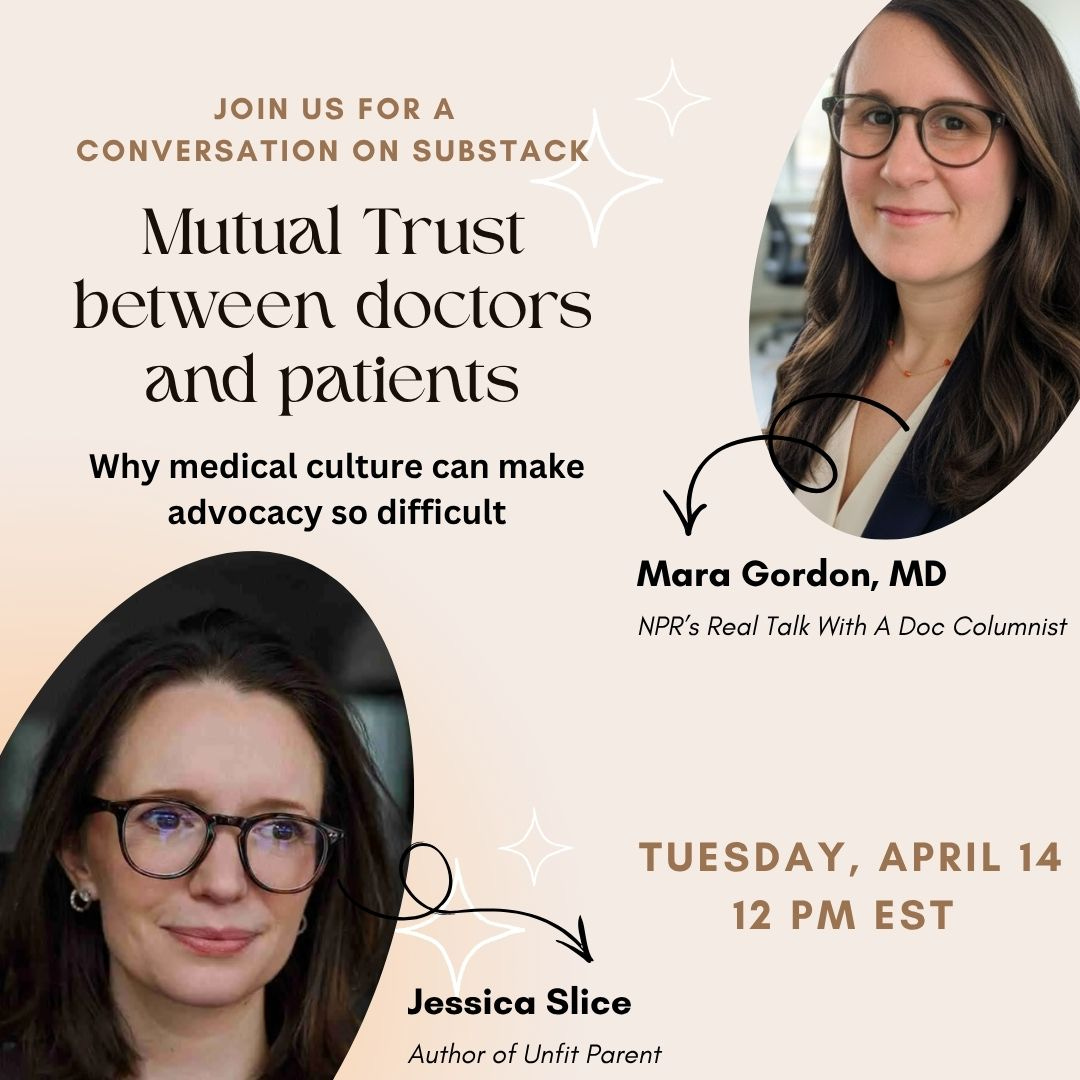
Last year, I interviewed the author Jessica Slice for NPR about her book Unfit Parent, which explores parenting as a disabled mom. The book transformed so much of my thinking about both parenthood and disability. (Check out our interview here.)
Join me and Jessica for a conversation about trust between doctors and patients, medical gaslighting, and diagnostic uncertainty.
Tuesday April 14 at 12pm EST on the Substack app.
The wellness aisle is eating medicine alive and honestly medicine kind of deserves it right now. Your patient pulled up Amazon vitamins in your office and that bottle gave her something you structurally can't, which is time. Twenty minutes of feeling like somebody cared. A fifteen-minute visit where eleven of those go to the EHR doesn't feel like care, it feels like processing. NASA got the whole country emotional because they gave four people ten days and names and faces and room to just be competent. PCPs get a billing slot. Competency porn needs time to land, and the system is strip-mining every minute of it.
Wiseman's wife, the crater. That wrecked me a little.
I have always been a space nerd :-) When I was a tween I wanted to be an astronaut, when I started college I wanted to go into meteorology, because I figured all the planets had atmospheres to study. I ended up in geology, and one of the courses I've taught for the last 30 years is Geology of the Solar System. Astronauts are really the best of the best, when it comes to competency, and visits off-planet always seem to influence them to be better humans.
My husband and I watched the launch live, from our couch, and we've been following along as well. There is such cognitive dissonance involved in watching Artemis II, and then reading news about the almost unbelievable incompetence of the current administration.